


Screenshot 2026-03-11 at 11.46.46 AM

Software for Physical AI

Contact Core - Build models with contact-rich data

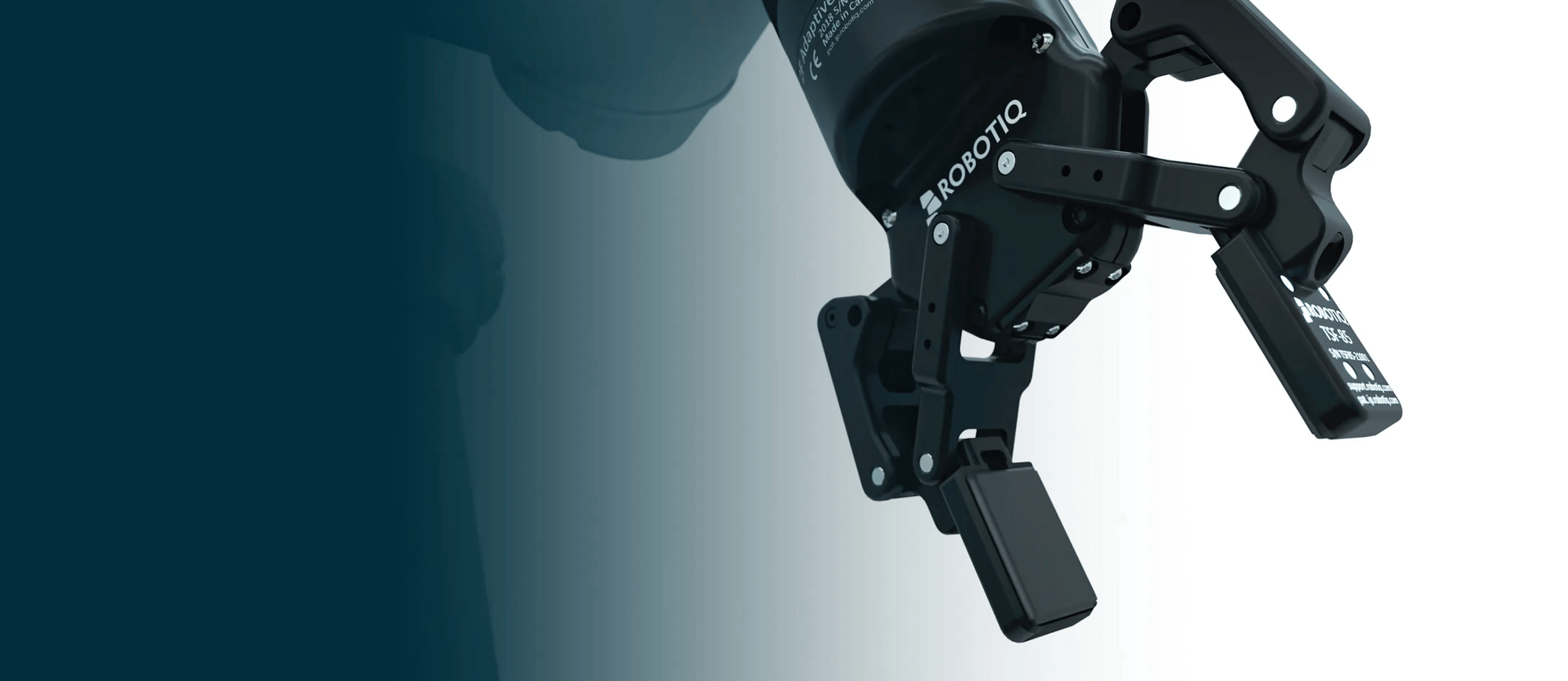
Contact Core is Robotiq's software for Physical AI. It gives model builders the simulation assets, control packages, and synchronized contact-rich data interfaces they need to train manipulation models on Robotiq components and deploy them on real robots.

What it includes

Three building blocks. One contact-rich data path.

Robotiq_ContactReady_Logo

Contact Core currently includes simulation assets, ROS 2 packages, and contact-rich data interfaces for Contact Ready Robotiq components. AI Coupling and embedded tactile intelligence are part of the roadmap.
TSF-85_IsaacSim_Gif-1
Simulation

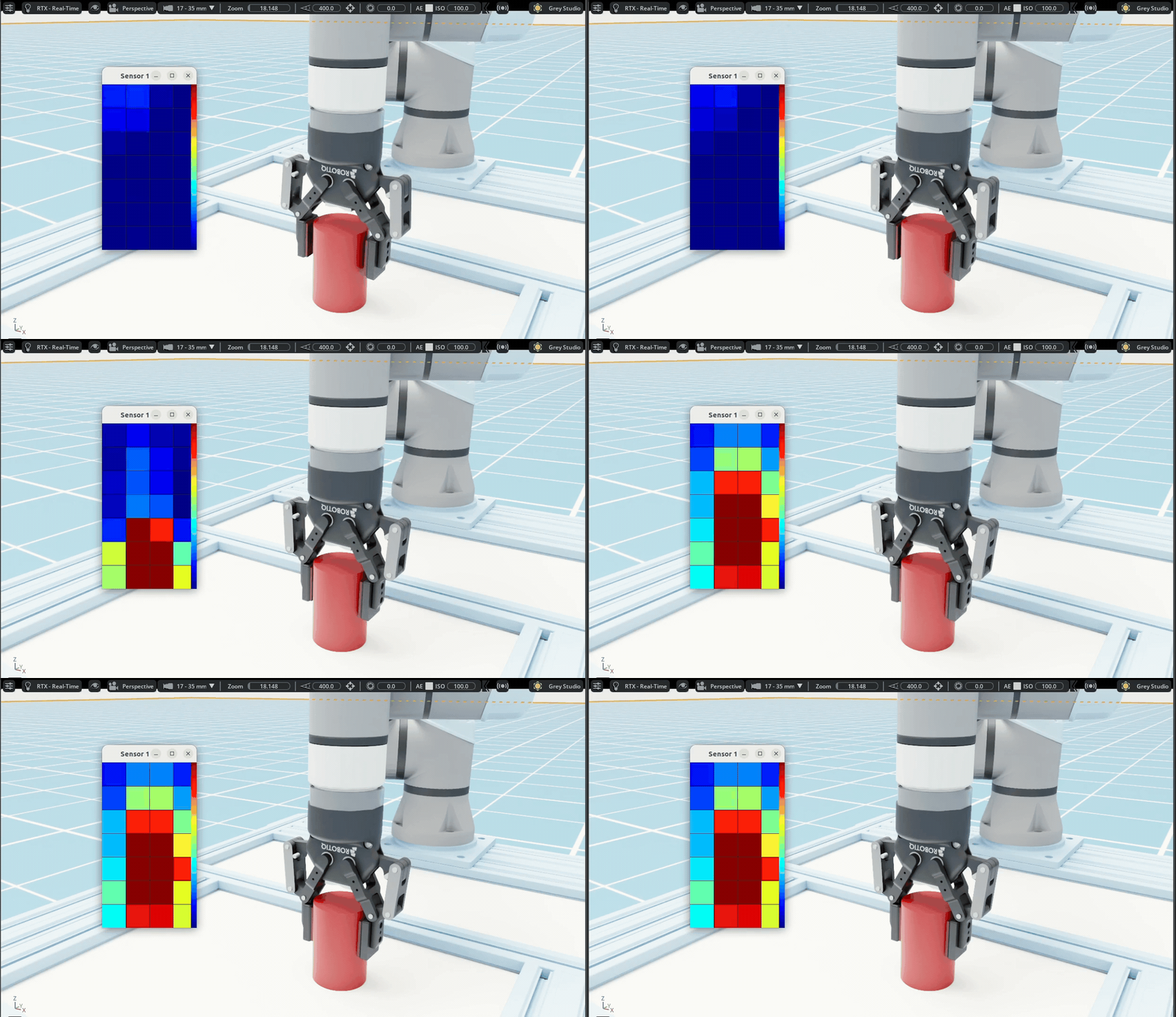
NVIDIA Isaac Sim assets

Accurate physical models of Robotiq grippers and tactile sensors. Train and iterate on contact-rich manipulation in simulation.

Access Robotiq GitHub

Ros2
Control & data

ROS 2 packages

Control and data collection package for compatible Robotiq components. 
Access Robotiq GitHub

Contact-rich-data-API-1
Data interfaces

Contact-rich data API

Synchronized gripper, tactile, robot-state, and contact data streams. One time-aligned source of truth for training and deployment.
 

Contact Ready components

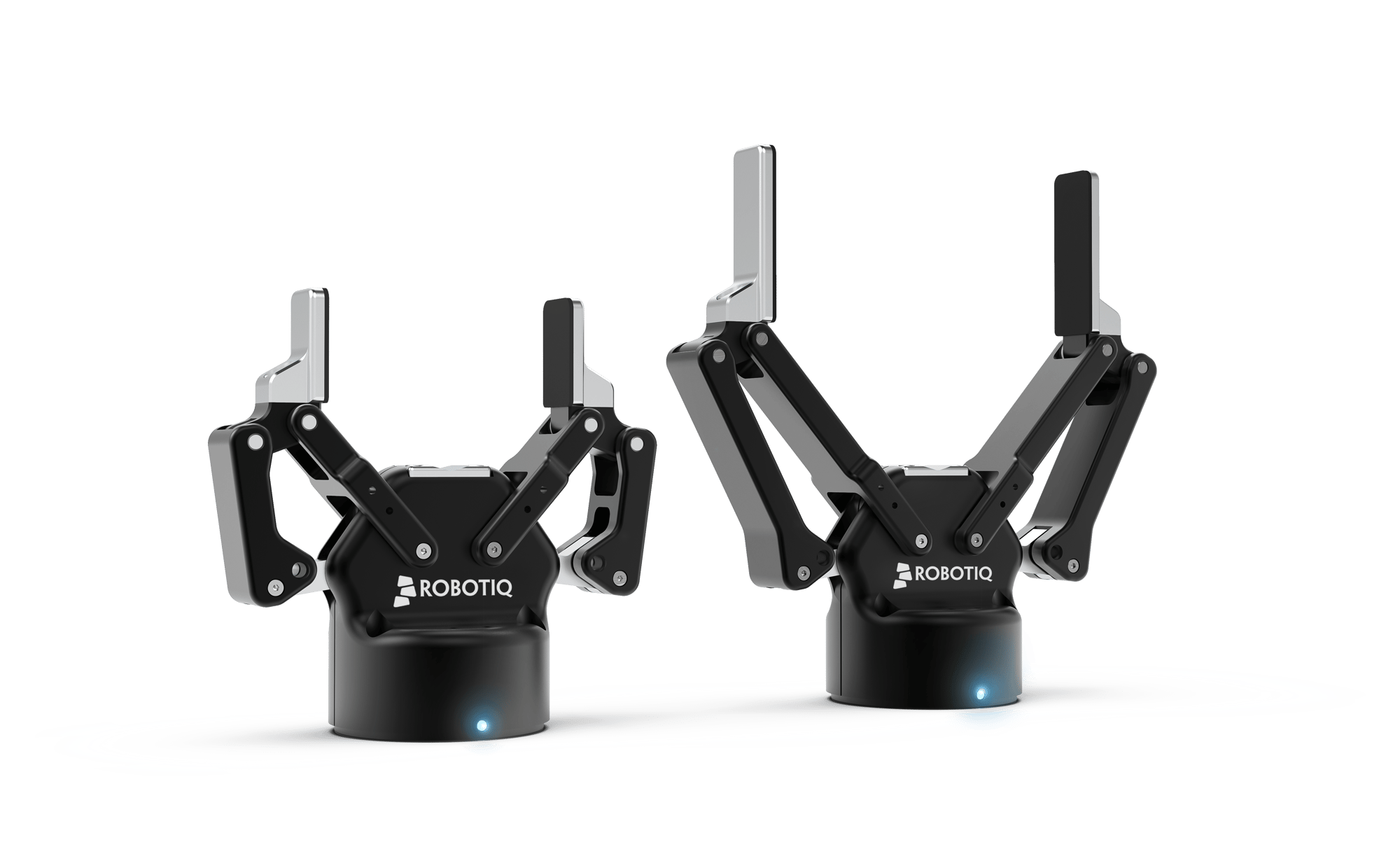
Hardware designed to work with Contact Core.

The Contact Ready badge tells you which Robotiq components are compatible with Contact Core for simulation, data acquisition, training, and deployment workflows.

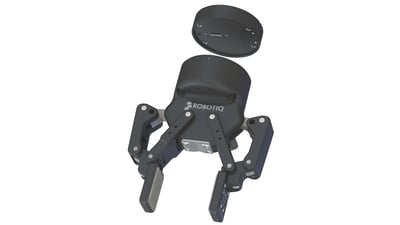
2F_Adaptive_Grippers_White
Adaptive Grippers

2F-85 & 2F-140

Accurate physical models of Robotiq grippers and tactile sensors. Train and iterate on contact-rich manipulation in simulation.
Robotiq_ContactReady_Logo
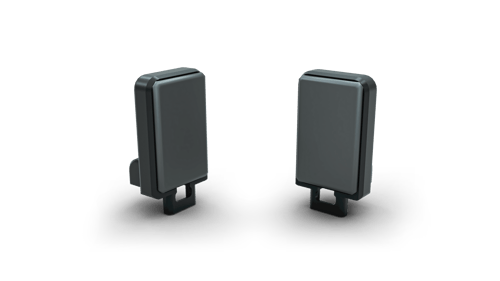
AGC-TIP-TSF-85
Tactile Sensor Fingertips

TSF-85

Pressure, vibration, and proprioception delivered at the fingertips. Richer multimodal data for more capable manipulation models.
Robotiq_ContactReady_Logo

Robotiq-AI-coupling
Unified API

AI Coupling - Preview

Synchronizes gripper and tactile data and delivers it to AI pipelines and deployment environments with low latency.

Robotiq_ContactReady_Logo


How it works

Sense → Train → Deploy → Improve

Contact Core supports the full Physical AI loop, from the first tactile reading in simulation to a contact-based skill running on production hardware.

01 · SENSE

Capture contact

Stream synchronized gripper, tactile, robot-state, and contact data from Contact Ready components — in simulation or on real hardware.

02 · TRAIN

Build the model

Use Isaac Sim assets and ROS 2 packages to generate, label, and feed contact-rich data into your Physical AI training pipelines.

03 · DEPLOY

Run on real components

Deploy contact-based skills on the same Contact Ready components you trained on. Reduce the translation work between model building and production hardware.

04 · IMPROVE

Close the loop

Capture new contact data from deployment, refine the model, and roll out improvements through the same toolchain.


Robot-agnostic

Contact Core is not robot dependent. Robotiq's Contact Ready components work across multiple robot brands — you choose the arm, we cover the contact layer.

Open source

Access Contact Core on GitHub.

The Contact Core open-source tools are available on GitHub, where developers can access documentation, examples, releases, issues, and contribution workflows.

  • ROS 2 packages and Isaac Sim assets
  • Example pipelines and installation scripts
  • Data interface definitions and sample logs
  • Open issue tracker and contribution guidelines
Repository
https://github.com/robotiq
View on GitHub

Documentation, releases, and contribution workflow

Future capability

Embedded Tactile Intelligence is coming to Contact Core.

Future releases are expected to add Embedded Tactile Intelligence — Robotiq's proprietary intelligence embedded at the wrist, extracting higher-level information about what is happening during contact.

The result: more efficient, more precise manipulation, plus more accurate labelling for model training.

Expected to include
Grip detection
Slip detection
Object orientation
Texture recognition
Object recognition
Stability prediction
Fast local responses
Automatic labeling